A Growth-First Guide to Website Rebranding

Many companies attempt to drive more traffic before fixing their brand. The result is predictable. High traffic, low conversion, and sales teams chasing low-quality leads that never become deals.
The real problem is the gap between brand strategy and digital execution.
This is the Brand–Website Gap: The disconnect occurs when a company’s evolving positioning and market maturity are not reflected in its digital presence.
In a digital-first economy, a website simply cannot be static brochureware. Your website is the most visible and valuable expression of your market leadership. Closing the Brand–Website Gap is the core purpose of a modern B2B and B2C website rebrand.
Download this article as a PDF
What is Website Rebranding?
A website rebrand is the process of aligning a company’s brand positioning, messaging, and growth strategy with the digital experience prospects encounter first. It is not simply a design facelift.
For B2B and B2C organizations, a website can be the primary environment where buyers evaluate credibility. When the brand narrative and digital experience fall out of sync, lead generation inevitably suffers.
A modern website rebranding initiative typically includes:
- Brand positioning and narrative architecture
- Messaging and value proposition design
- UX simplification and navigation restructuring
- Conversion architecture
- CRM integration through platforms like HubSpot
- SEO & content structure for long-term discoverability
Why Brand Strategy Must Come Before SEO & Traffic
The most common mistake in digital marketing is attempting to scale demand before clarifying the brand. At Fellow, we believe that brand clarity is the foundation of all ROI.
If your core narrative is fractured, every dollar spent on inbound marketing or paid media is essentially “leaking” through a porous conversion path.
Before you buy traffic, you must align the brand. When you lead with a clear, brand-led strategy, your marketing systems become compounding assets, rather than occasional spikes.
- Conversion Over SEO: Being found via search and AI models is a good thing. Converting that traffic to leads is better. Random acts of SEO may bring traffic, but leads will suffer. This is good for vanity metrics, but not for the business. The fastest way to improve conversion is sharpening your unique value proposition.
- Signaling Leadership: For enterprise-level organizations, a weak website erodes credibility faster than bad PR. Sophisticated design signals competence, maturity, and credibility to clients, investors, and talent.
Reduction Wins: Why Simpler Websites Convert More
Complexity is the enemy of conversion.
As companies grow through acquisitions, product expansion, or organizational change, their websites accumulate layers of navigation, legacy pages, and competing messages. The result is what we call navigation noise.
Research consistently shows that simplifying digital experiences improves performance:
- 15–35% increases in conversion can be achieved just by simplifying the navigation.
- 3-5 options (max) will help avoid analysis paralysis. Cognitive science research tells us that people can’t easily process more than 4 options.
- 35% of buyers abandon websites or distrust vendors with poor website layouts or navigation.
The less-is-more philosophy focuses on stripping away the non-essential noise to create clear conversion paths. When everything on your site is labeled as important, then nothing converts.
Key Components of a Modern Brand Transformation Website
A successful website rebrand is not simply a design exercise.
Instead, a successful website rebrand is a strategic initiative that aligns brand, messaging, user experience, and revenue systems into a cohesive digital platform.
Five foundational website rebranding components will ensure that the new site supports both brand clarity and measurable business growth.
Website Rebrand Component #1: Brand-Led Digital Marketing
A website rebrand begins with clarifying how the organization should be perceived in the market. Brand positioning defines the company’s role in the competitive marketplace, the problem it solves for customers, and the strategic narrative that differentiates it from alternatives.
Without strong positioning, a website becomes a collection of pages rather than a persuasive story. A modern rebrand translates positioning into a clear digital hierarchy, ensuring that visitors quickly understand the company’s value, credibility, and category leadership.
Website Rebrand Component #2: Messaging Architecture
Messaging architecture transforms brand strategy into structured, scalable communication across the website. Instead of isolated marketing copy, a well-designed messaging framework creates consistency across pages and guides prospects through the evaluation process.
Key elements often include:
- A clear value proposition on the homepage
- Supporting proof points and differentiators
- Structured product or solution narratives
- Consistent language across marketing and sales materials
When messaging architecture is strong, every page reinforces the same strategic story rather than competing for attention.
Website Rebrand Component #3: UX Simplification
As companies grow, their websites often accumulate layers of navigation, legacy content, and internal terminology. A modern rebrand prioritizes user experience (UX) simplification, ensuring the digital experience reflects how buyers evaluate solutions rather than how the organization is structured.
This step often includes:
- Simplifying navigation and consolidating redundant pages
- Organizing content around buyer journeys
- Reducing cognitive load in page layouts
- Highlighting the most important conversion paths
The result is a site that is easier to navigate, faster to understand, and more aligned with real purchasing behavior.
Website Rebrand Component #4: Conversion Infrastructure
A modern website must do more than inform. It must drive measurable engagement and pipeline activity. Conversion infrastructure ensures that every key page supports meaningful interaction with the brand.
Common elements include:
- Strategically placed calls-to-action
- Content offers that capture qualified leads
- Case studies and proof assets that support decision-making
- Landing pages optimized for campaign traffic
When properly designed, the website becomes a continuous source of qualified inbound opportunities rather than a passive brand asset.
Website Rebrand Component #5: CRM Integration
Finally, websites today are deeply integrated with marketing and sales technology platforms such as HubSpot. This integration transforms the website from a static experience into a data-driven learning engine.
CRM integration enables organizations to:
- Track visitor behavior and engagement patterns
- Segment audiences by lifecycle stage or industry
- Personalize messaging and offers
- Provide sales teams with richer context before conversations begin
By connecting brand experience with real customer data, organizations can continuously refine both their messaging and their growth strategy.
Real World Case Studies: Turning Brand Clarity into Inbound Growth

Midion
- Challenge: Referral-driven business with zero inbound leads
- Strategy: Brand repositioning + conversion-focused website infrastructure
- Result: 24% of closed/won business resulted from inbound leads in year 1

Nuwellis
- Challenge: Complex website misaligned with clinical authority
- Strategy: Simplified UX + authority-first narrative
- Result: Qualified inbound leads within 24 hours of launch
Midco
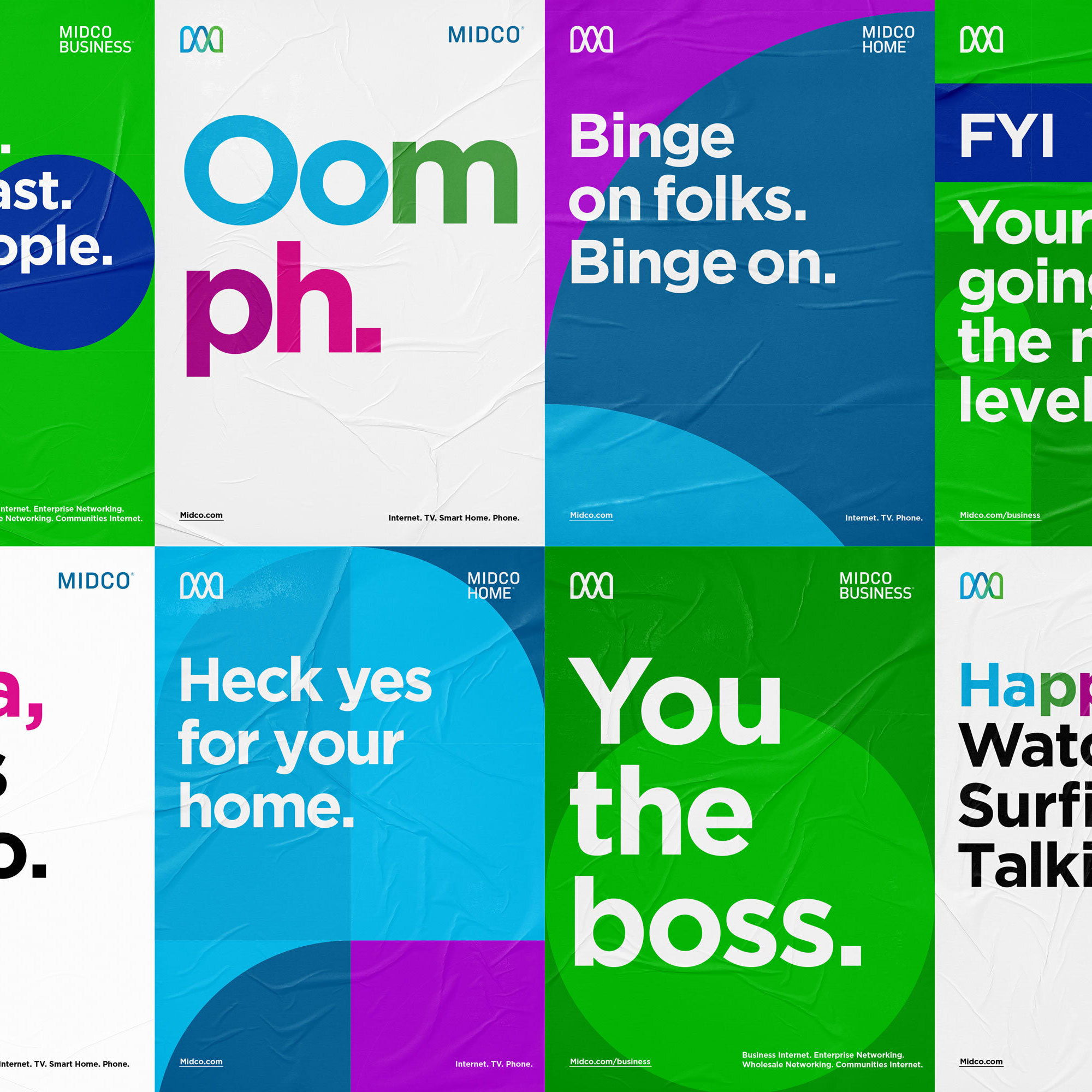
- Challenge: A fragmented house of brands
- Strategy: Brand reduction into a high-energy, singular identity
- Result: 203% growth and JD Power #1 ranking for customer experience
Turning Your Website into a Lead Generation Engine
Your website is a living marketing system.
A brand-led website integrated with a CRM like HubSpot sets the stage for:
- Behavioral Insights: Understand how different customer segments interact with your narrative structure.
- Lifecycle Segmentation: Deliver the right message at the right brand transition moment.
- Sales Enablement: Equip your team with a digital experience that lays the path before the first meeting.
Data and analytics will be your guide so that you can refine messaging, identify high-intent prospects, and continuously improve conversion performance.
5 Signs Your Company Needs a Website Rebrand
Many organizations don’t realize their website is limiting growth until marketing performance begins to stall. Because a website is often built for an earlier stage of the company, it can gradually fall out of alignment with the brand’s current positioning, offerings, and market maturity.
Several indicators suggest it may be time to consider a rebrand.
- Your organization has evolved, but your website hasn’t.
- Your navigation reflects your organizational chart rather than your buyer journey.
- Traffic is increasing, but conversions remain flat.
- Sales teams rely on decks to explain the story.
- Your website can’t support modern marketing systems.
When several of these challenges appear simultaneously, a website rebrand becomes less about aesthetics and more about restoring alignment between the company’s brand strategy and its digital infrastructure.
How to Choose a Website Rebranding Agency
Selecting the right partner for a website rebrand is a strategic decision. Because the project sits at the intersection of brand, technology, and growth strategy, the agency you choose should bring expertise beyond visual design.
When evaluating a website rebranding agency, consider several critical factors.
Strategic Brand Expertise
The most successful website rebrands begin with brand clarity. Creative, well-branded companies see 70% higher Total Return to Shareholders (TRS) and 67% higher organic revenue growth.
Look for an agency that can guide positioning, messaging, and narrative development, not just layout and visual style. Without this foundation, even a beautifully designed website may fail to communicate the company’s true value.
Experience With Complex Organizations
Modern websites often involve multiple audiences, longer sales cycles, and sophisticated solution narratives. An experienced agency will understand how to structure content around buyer journeys, proof points, and evaluation stages.
Conversion-Focused Design Thinking
Effective websites are built to support measurable outcomes. The agency should demonstrate a strong understanding of conversion architecture, ensuring that the site encourages meaningful engagement rather than simply presenting information.
Technology & CRM Integration Capabilities
A modern website must integrate with marketing and sales platforms to support campaign tracking, lead capture, and customer insights. Agencies experienced with platforms such as HubSpot can help transform a website into a connected marketing system rather than a standalone digital asset.
A Clear Strategic Process
Finally, look for a partner that approaches website rebranding as a structured transformation rather than a design project. This process typically begins with brand strategy and messaging alignment before moving into UX architecture, design, and growth infrastructure.
The right agency will help ensure that your website does more than look modern—it will position your brand clearly, guide prospects through the buying journey, and serve as a foundation for long-term growth.
Frequently Asked Questions: The ROI of Website Rebranding
How do you measure the ROI of a website rebrand?
The ROI of a website rebrand is typically measured across three areas:
- Conversion rate improvement
- Increase in qualified inbound leads
- Improved sales velocity due to stronger positioning
When brand clarity and conversion architecture improve simultaneously, organizations often see measurable pipeline impact within months of launch.
How long does a B2B website rebrand typically take?
Most strategic website rebrands take 3–12 months, depending on scope. The process typically includes:
- Brand and messaging strategy
- UX architecture and site structure
- Design and development
- CRM and marketing platform integration
- SEO migration and launch optimization
Complex organizations or multi-brand environments may require longer timelines.
Will a website rebrand hurt our SEO rankings?
A poorly managed redesign can harm SEO, but a strategic rebrand often improves long-term search performance.
Key safeguards include:
- URL mapping and redirects
- Technical SEO audits before launch
- Structured content architecture
- Maintaining existing authority pages
When handled properly, a rebrand can significantly improve organic visibility.
What is the fastest way to improve website conversion rates?
The fastest improvement usually comes from clarifying messaging and simplifying navigation.
Many organizations attempt to increase traffic before addressing conversion barriers. However, clearer value propositions and simplified user journeys often unlock higher engagement immediately.
When should a company consider hiring a website rebranding agency?
Companies typically seek a rebranding partner when:
- Their positioning has evolved
- They are preparing for a growth stage or funding round
- M&A activity has created brand complexity
- Their website no longer reflects their market maturity
In these situations, a strategic rebrand ensures the digital experience matches the organization’s ambition.
How does CRM integration improve website performance?
When integrated with platforms like HubSpot, a website becomes a data-driven marketing system. CRM integration allows organizations to:
- Track visitor engagement
- Segment audiences
- Personalize messaging
- Provide sales teams with deeper context before conversations begin
This feedback loop turns the website into a continuous marketing learning engine.
Is Your Website Holding Back Your Brand?
Whether you are navigating an M&A transition or simply outgrowing your current digital footprint, the goal is the same: ensure your website matches your ambition.
As a premier website rebranding agency, we help organizations move beyond the rebuild to create high-performance digital experiences that drive measurable ROI.
A daring plan starts with a quick conversation. Contact Fellow Inc. to bridge your Brand–Website Gap and turn your digital presence into a catalyst for growth.