Why Companies Stall, and What it Takes to Outgrow the Market in the Age of AI

The Executive Leadership Business Transformation Strategy Guide
Why do companies stall and decline? Chug, chug, chug, pssst.
Business growth follows a well-documented trajectory: startup, growth, maturity, decline. But is the decline inevitable? Sometimes, businesses stall and decline when the market becomes crowded, and the offerings become indistinguishable.
In the past, strong execution could mask weak positioning. Today, that’s no longer true. AI has compressed the distance between “good” and “good enough,” flooding the market with messaging, content, and campaigns.
In a sea of sameness:
- You lose what used to make you win
- Customer cost per acquisition increases
- Sales cycles lengthen
- Growth plateaus
The data tells us that companies outperforming the market are positioned differently.
They’ve shifted from competing within a category to quietly redefining how the category works. This category-shifting disruption has measurable results.
The Pattern Behind Stalled Growth
Across industries, the pattern is consistent. A company finds early traction. Next, it scales through execution. Then, growth slows despite continued investment.
At that point, most organizations respond the same way, with more campaigns, more tools, and more optimization. That’s great, but the issue isn’t effort, and now you’re throwing good money after bad.
The core issue is that the business has become lost in a sea of sameness. That’s when it’s time to step back from the tactics and take a hard look at positioning.
A Useful Way to Understand Market Position
Does your leadership team know where you stand in the market? Do you?
In practice, companies tend to fall into one of four positions:
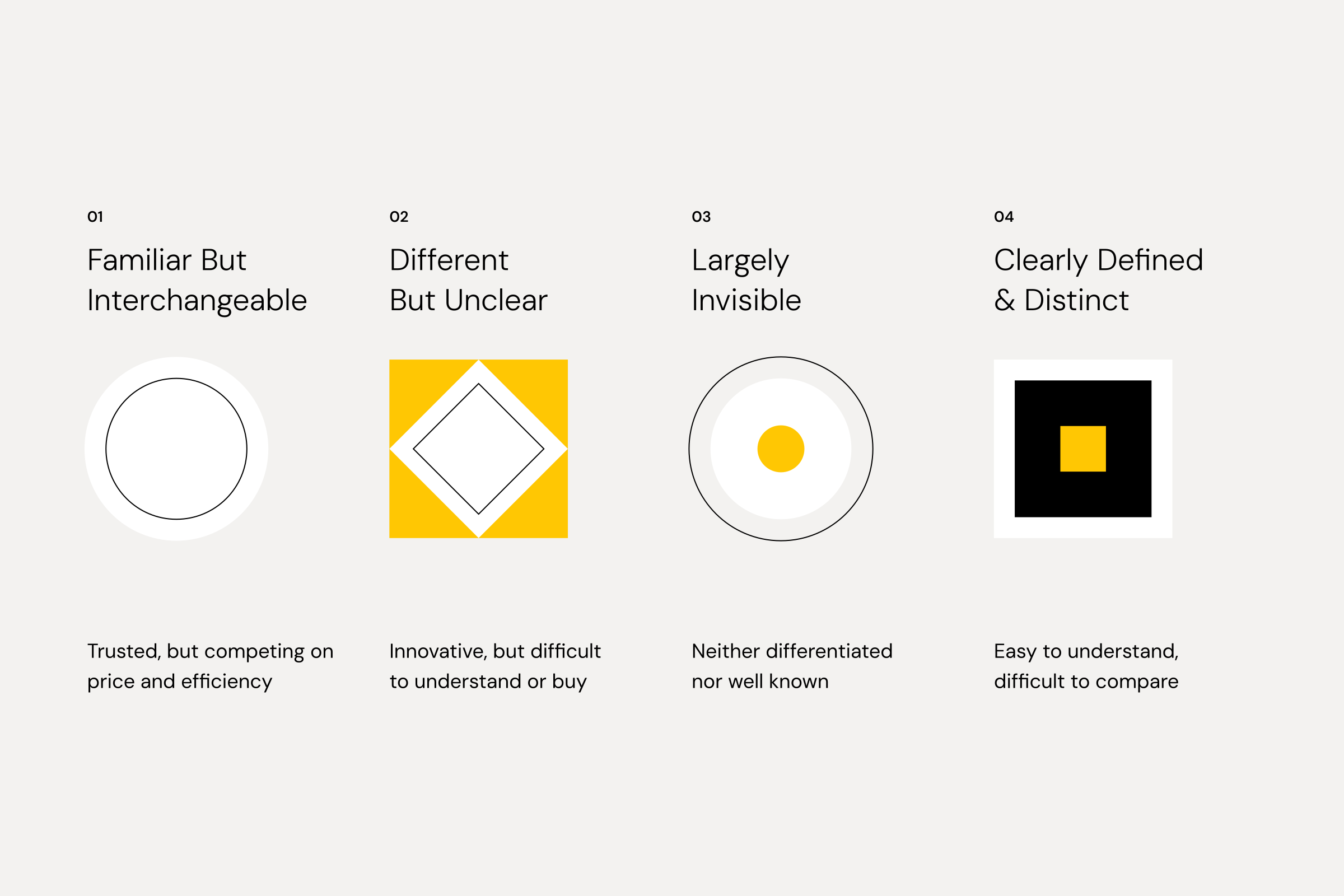
Most companies don’t lose market share overnight. They slowly drift into sameness. What once felt differentiated becomes familiar. What once drove growth becomes expected. Over time, the business becomes easier to compare...and easier to replace.
Market position is defined by how quickly the market understands:
- Why you matter
- How are you different
- Whether that difference is meaningful enough to change buying behavior
In practice, companies tend to fall into one of four positions:
01. Familiar But Interchangeable
Trusted, established, and credible, but competing primarily on price, efficiency, or incremental improvement. This is where many mature organizations stall. The market understands you, but doesn’t see a compelling reason to choose you over alternatives.
02. Different But Unclear
Innovative, ambitious, or evolving, but difficult for customers to immediately understand or buy into. These companies often have strong ideas but weak narrative alignment. The result is friction in sales, marketing, and adoption.
03. Largely Invisible
Neither differentiated nor well known. This is the hardest position to grow from because the market has no clear mental shortcut for understanding your value.
04. Clearly Defined & Distinct
Easy to understand. Difficult to compare. These organizations have clarity around:
- What they stand for
- Who they are for
- Why their approach matters
As a result, they are more likely to command premium pricing, shorter sales cycles, and stronger long-term loyalty.
Only one of these positions consistently produces durable growth.
The mistake most companies make is assuming the solution is more marketing activity. In reality, the issue is often strategic clarity. More campaigns cannot fix weak differentiation.
The next step is not simply to “improve messaging.” It’s to honestly evaluate whether your business is positioned in a way the market can quickly understand and meaningfully value.
Because in increasingly crowded and AI-saturated markets, the companies that win are rarely the loudest.
They are the easiest to understand. And the hardest to compare.
“Safety is a trap. In a changing market, the only thing more dangerous than a bold move is standing still.”
— Karl Wolf, Fellow Co-Founder
What High-Growth Companies Do Differently
High-growth companies definitely don’t start with tactics, and it may be surprising to hear that they also don’t start with messaging. The first thing that high-growth companies address is a fundamental question: “What would have to be true for us to be the obvious choice?”
From there, they work backward. The companies that break through plateaus tend to do five things well:
- They confront their current position honestly
Not where they want to be, but how the market actually sees them - They articulate a truth others are missing
Something real, defensible, and grounded in the business (not invented language) - They change the frame of comparison
Instead of competing on features or price, they redefine what matters - They align the business behind that shift
Product, pricing, messaging, and sales all reinforce the same idea - They execute with consistency
Not more activity, more coherence
This is less about rebranding and more about repositioning the business itself.
Read More: A CMO’s Guide to Brand and Digital Marketing in the Era of AI
Why Technology Isn’t Solving The Growth Challenge
Most organizations sense the problem, but misdiagnose the solution. They invest in:
- new platforms
- AI tools
- automation
These can improve efficiency. They rarely improve meaning.
“AI and CRM tools are just megaphones. If your core message is weak, you’re just paying to be ignored more loudly.”
— Eric Luoma, Fellow Co-Founder
Where Traditional Strategy Falls Short
Tools like the value proposition canvas can be quite useful. They help teams understand customer needs and map value to pain points. However, they assume the rules of the market are fixed.
They help you compete within a category. They don’t help you stand apart from it. That distinction matters more now than it ever has.
What Category-Shifting Disruption Looks Like in Practice
Three recent examples of category shifting disruption. They brought the receipts:
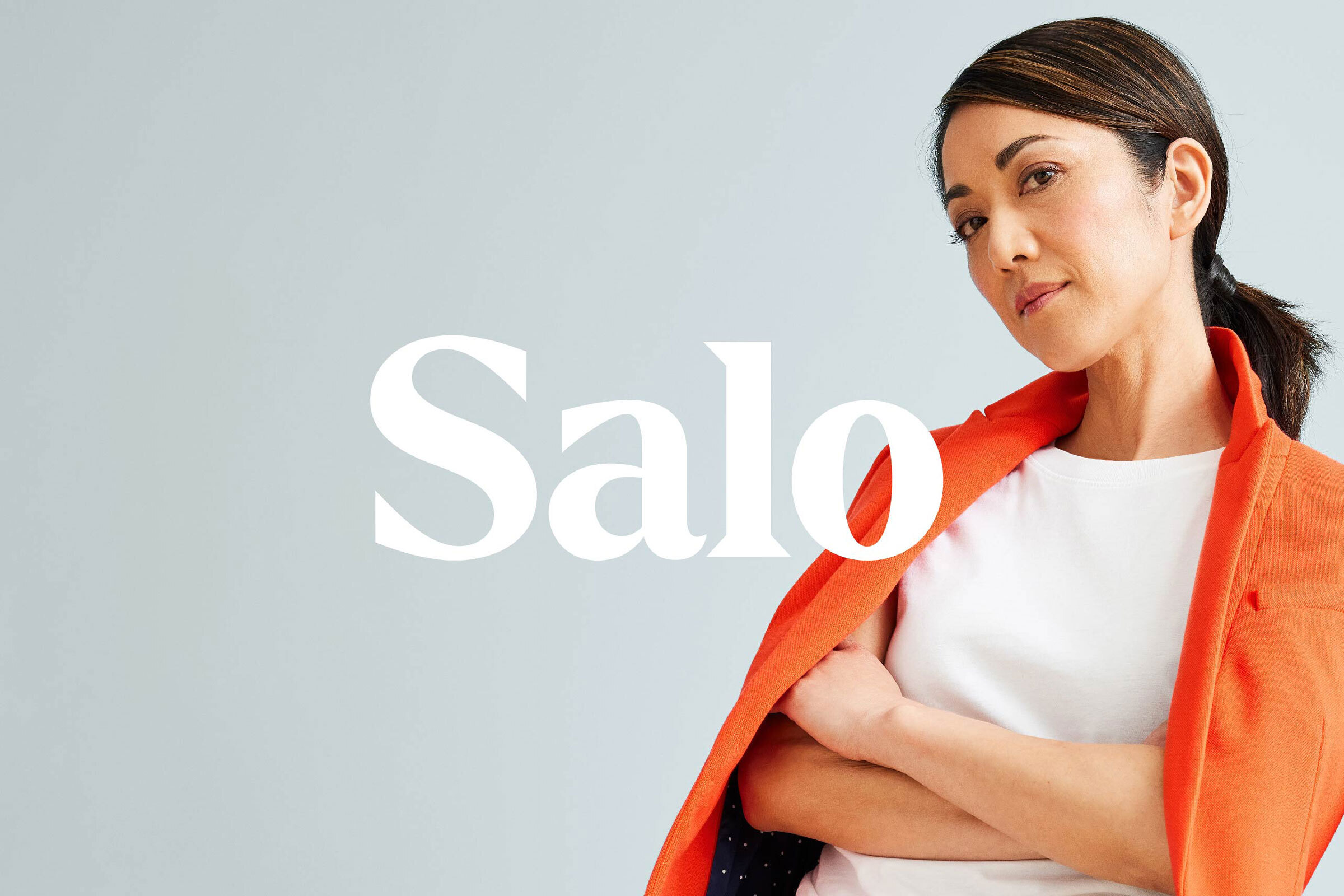
Salo: Set Up for a Successful Sale

Shifted from a staffing narrative to a human capital perspective, elevating perceived value and fueling a successful acquisition.
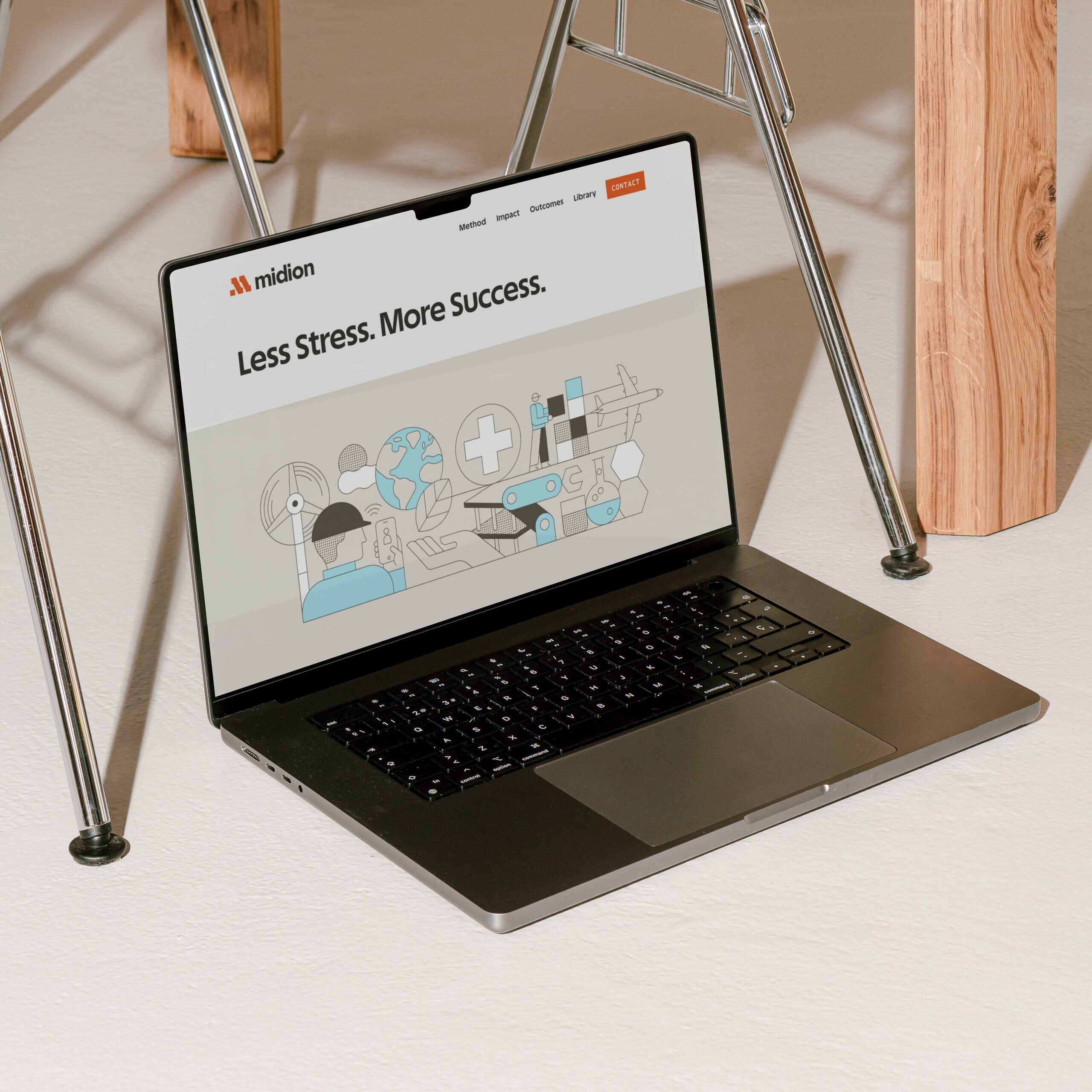
Midion: 6× Pipeline Growth
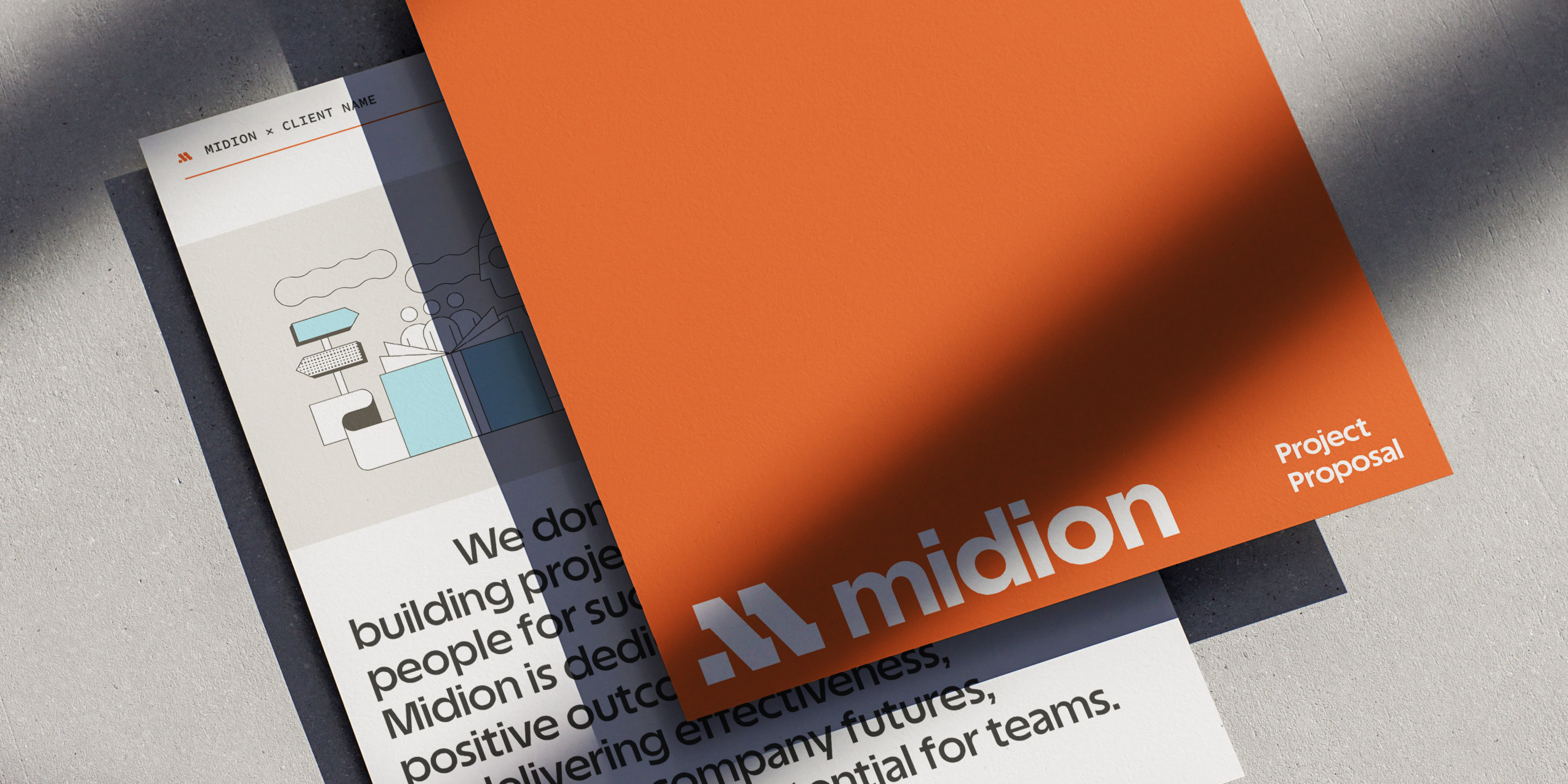
Aligned brand and demand strategy, resulting in a 6× increase in pipeline within one quarter, and inbound business grew from 0% to 24% in one year.
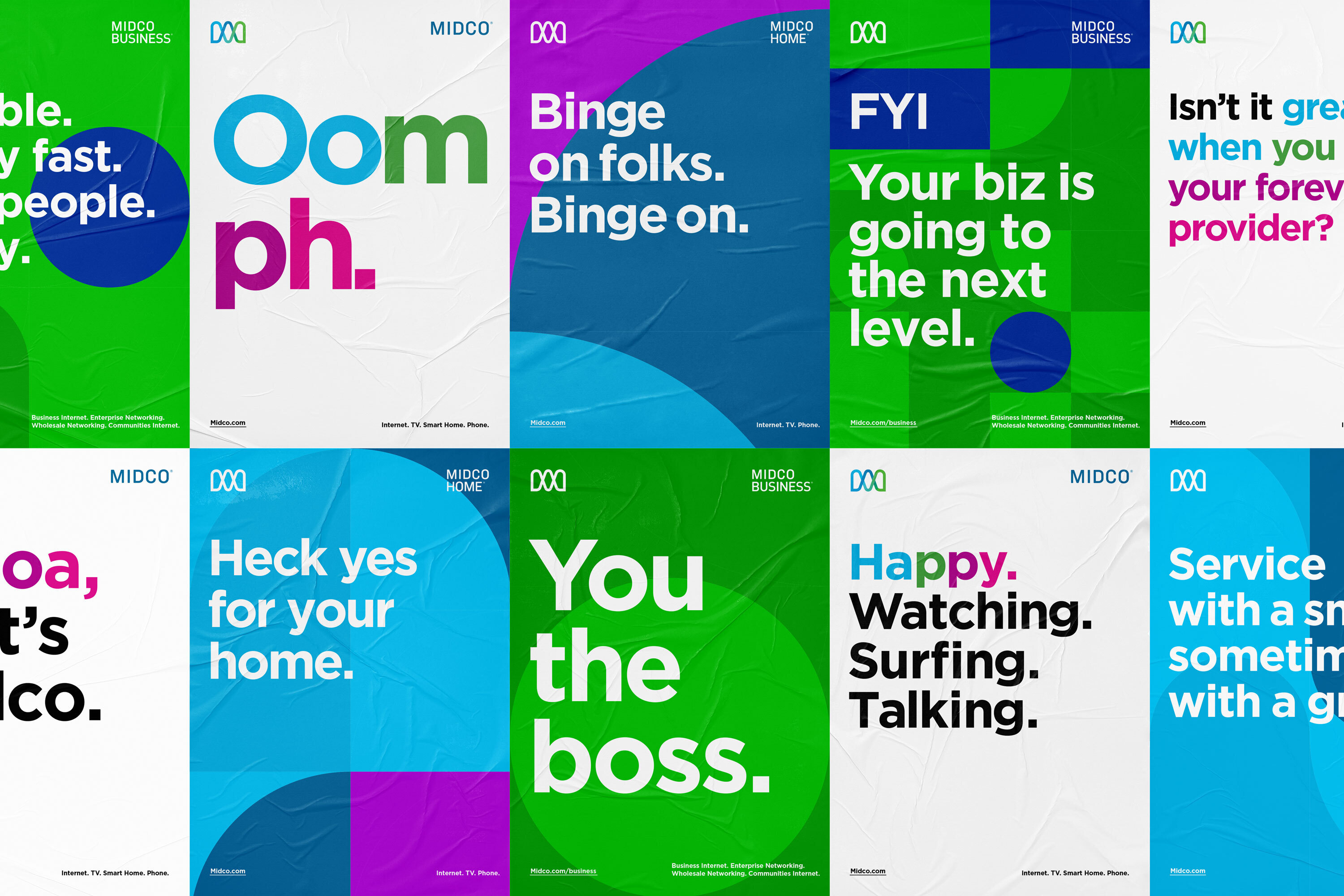
Midco: 203% Growth After Brand Alignment

Simplified a fragmented brand structure, driving clarity, growth, and category leadership. Different industries, but the same underlying shift: from participation to definition.
The Role of Brand in Business Transformation
Brand is often misunderstood as:
- Messaging
- Design
- Campaign strategy
At the executive level, it functions differently. It determines:
- How easily you are understood
- How you are compared
- How much you can charge
- How quickly decisions are made
In that sense, brand is not a layer on top of the business. It is a multiplier of everything beneath it.
Read More: The Role of Clarity: A Gritty Guide to Website Rebranding and Market Velocity
A Simple Diagnostic
If you’re evaluating your own organization, a few questions tend to surface the issue quickly:
- Are we being evaluated against the same criteria as our competitors?
- Is our sales team forced to explain our value repeatedly?
- Are we winning on preference, or just availability and price?
- Is increased marketing spend producing flat or diminishing returns?
If the answer to any of these is yes, the constraint is likely not execution. It’s positioning.
Why Brand Strategy Matters More in the Age of AI
AI is changing how companies operate. It is also changing how businesses are discovered and evaluated. As content becomes easier to produce, difference and clarity become a competitive advantage
The companies that stand out are not publishing more. Instead, they are saying something worth noticing...and structuring it clearly enough to be understood.
Closing Thought
The market rewards the companies that are the easiest to understand, the hardest to compare, and the most clearly aligned with a specific kind of value. That shift rarely happens by accident.
If This Resonates
For leadership teams navigating stalled growth, this is usually the inflection point:
- continue optimizing within the current frame
- or step back and redefine it
If you’re in the middle of that decision, a short working session with Fellow Inc can help clarify:
- where your current position is limiting growth
- what’s required to shift it
- and whether now is the right time to act